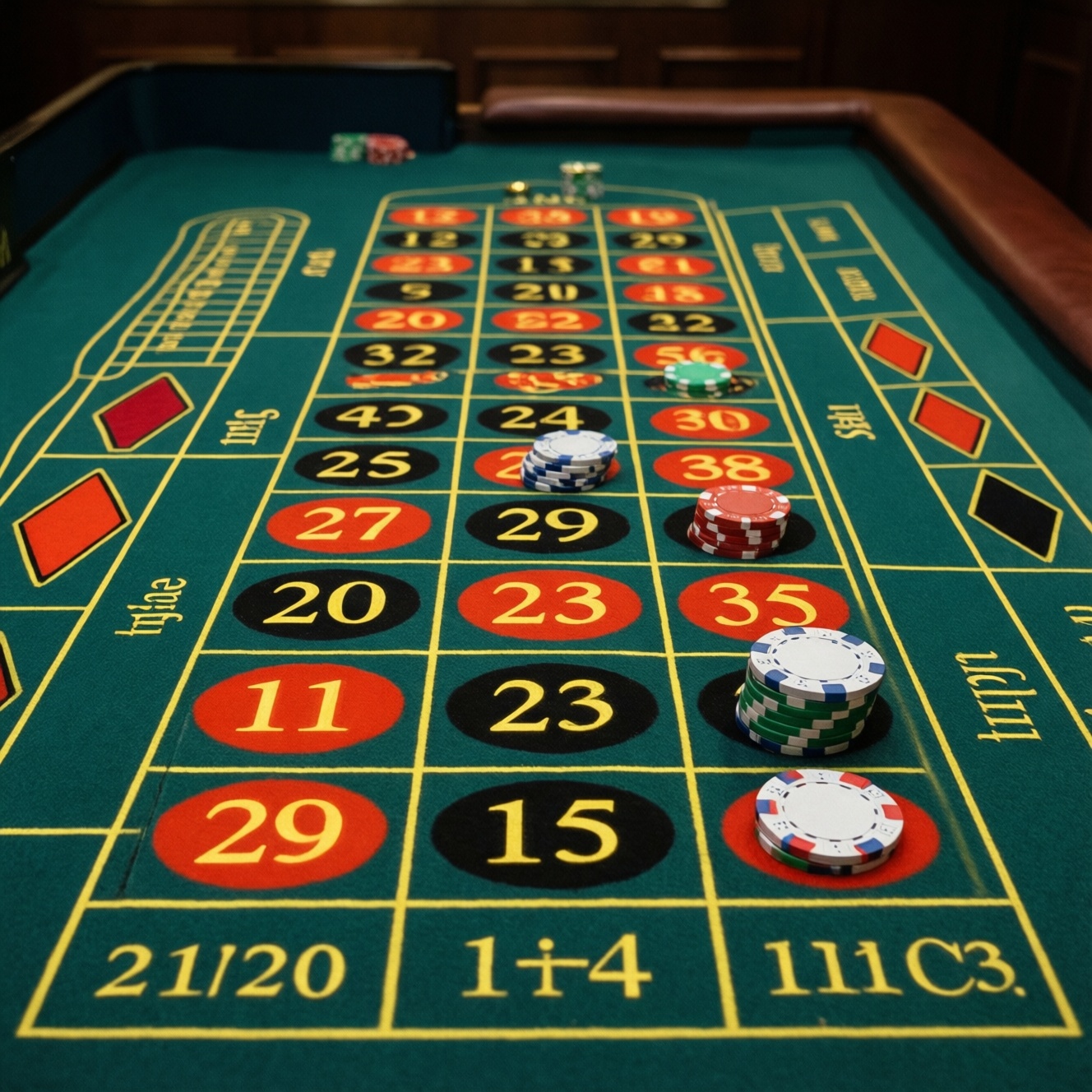

To improve your long-run results in casino table games, pick tables where the rules, minimum bets, and operating conditions minimize hidden costs and reduce volatility. A good table is one you can afford for your full session, with clear payouts, stable dealing pace, and no "gotcha" variants. Use the checklist and decision flow below before you sit down.
Quick Reference: Table Selection Checklist
- Confirm the exact rule set and payouts on the placard before buying in; avoid any variant you can't explain back in one sentence.
- Target a table minimum that lets you make your normal bet for at least 60-100 decisions without needing to reload.
- Skip tables where you feel pressured to raise stakes, chase losses, or match other players' bet sizes.
- Prefer stable, calm tables: clear procedures, consistent shuffles/spins, and no frequent disputes or dealer confusion.
- Choose seating and timing that reduce mistakes: good sightlines, readable layout, and a pace you can follow.
- If you're searching for casino table games with best odds, start by removing worst-rule tables first; don't try to "outplay" bad terms.
Core Rules That Define a Good Table

A "good" table is the one where (1) you fully understand the rules and payouts, (2) you can sustain the minimum bet without stress, and (3) conditions don't push you into errors. This approach fits intermediate players who already know basic strategy/standard play and want to reduce avoidable disadvantages.
Do not use this checklist if you're tired, tilted, intoxicated, or relying on superstition/"hot streak" thinking. Also avoid table-hopping every few minutes: it increases mistakes and often leads to impulsive bet sizing.
| Game | Rules / conditions to prefer | Minimums target (risk-aware) | When to avoid | Why it matters |
|---|---|---|---|---|
| Blackjack | Clear rule placard; consistent procedure; no side-bet pressure; stable pace you can track | Minimum bet ≤ 1-2% of your session bankroll per hand | Unclear or changing rules; heavy focus on side bets; pace so fast you miss decisions | Misreads and rushed decisions are a major "hidden cost" even when rules look normal |
| Roulette | Transparent wheel/spin routine; clear layout; easy-to-verify results | Minimum bet small enough to place your intended pattern for 80+ spins | Frequent "no more bets" confusion; unclear announcements; chaotic crowding | Operational friction increases misbets and disputes; both effectively add cost |
| Baccarat | Standard main bets prominent; clear commission/settlement procedure; calm squeeze process (if used) | Minimum bet ≤ 1-2% of your session bankroll per hand | Players pushing "systems" loudly; pressure to bet big on streak calls; unclear fee/commission handling | Social pressure and settlement confusion are common triggers for bad bet sizing |
| Online live tables (real money) | Licensed operator; visible rules panel; stable stream; clear bet confirmation and history | Set per-hand cap before you log in; keep a hard stop-loss and time limit | Lag, dropped frames, unclear bet acceptance, or frequent voids/corrections | Technical issues create unforced errors; they also make discipline harder |
Use the table above to screen options quickly when comparing the best blackjack tables to play, the best roulette table to play, or the best baccarat tables to play in a venue with multiple pits or online lobbies.
Minimum Bankroll, Bet Sizes and Risk Limits
Before you evaluate rules, set your risk boundaries. Table selection only helps if the minimums fit your bankroll and your mental comfort.
- Session bankroll: allocate a fixed amount you can lose without impact on bills or obligations. Do not top up from outside the session budget.
- Unit size: set your "standard bet" as a small fraction of session bankroll. A practical intermediate guideline is 1-2% per decision (hand/spin/round); lower if you dislike swings.
- Stop-loss: define a hard loss cap (for example, 30-50 units). When hit, end the session-no table change, no "win it back."
- Stop-win: optional, but useful if you tend to give profits back. Set a target (for example, 20-40 units) and leave when reached.
- Time limit: set a session duration; fatigue increases misreads and misclicks, especially in fast games.
- Cash/credit separation: bring only what you plan to use (in-person) or set deposit limits (online).
If you're choosing online casino table games real money, add two requirements: a written per-session deposit cap and a rule that you never raise limits mid-session. This single constraint prevents most "spiral" losses.
Seat Choice, Opponent Behavior and Flow Effects
Risks and limitations (read before the steps):
- Seat choice doesn't "change the cards" or "control the wheel"; it mainly changes your visibility, pace, and error rate.
- Other players can't reliably "steal your luck," but they can disrupt your decisions through distractions and pressure.
- Faster tables increase decisions per hour, which can amplify both wins and losses; only choose speed you can execute cleanly.
- Side bets and "systems talk" are usually persuasion tools; treat them as noise unless you've evaluated them independently.
-
Scan the placard and dealer routine
Before you buy in, confirm the rules and payouts are posted and consistent with what you intend to play. Watch 2-3 rounds to check the dealer's pace, clarity of calls, and how disputes are handled.
- If anything is unclear, ask one direct question (e.g., settlement, commission, or a specific rule). If the answer is vague, choose another table.
-
Pick a seat that reduces your error rate
Choose a position with a clear view of the betting layout and enough space to place bets precisely. Favor good lighting and minimal glare; avoid seats where other players' hands or chips block your view.
- In roulette, prioritize a spot where you can place chips without reaching across others.
- In blackjack, prioritize visibility of dealer upcards and your hand area.
-
Assess table "social temperature" in one minute
Listen for pressure cues: players urging bigger bets, blaming others, or pushing side bets aggressively. A calm table is usually more profitable in practice because you execute your own plan consistently.
-
Match the pace to your decision quality
If the game is too fast, you will misbet, misread payouts, or skip steps in your strategy. If it's too slow, boredom can trigger impulsive raises; set a time limit and stick to it.
-
Set your bet cap before the first wager
Decide your maximum bet size for this table (often 2-4 units for steady play). If you catch yourself wanting to exceed it, treat that as a signal to take a break or leave-not to negotiate with yourself.
-
Re-evaluate after the first 10-15 decisions
Check whether you've made any unforced errors (wrong stack, wrong area, missed action). If yes, slow down, lower stakes, change seat, or leave-errors negate any benefit from "better" rules.
Rule Variants, Payouts and Their Impact on Odds
- Blackjack: verify the blackjack payout terms and any restrictions; unclear or reduced payouts are a hard "no" if you're optimizing table quality.
- Blackjack: confirm whether any rule changes affect doubling, splitting, or dealer behavior; avoid tables where common actions are unusually restricted.
- Roulette: confirm wheel type/variant and permitted bets; avoid variants you didn't plan for, even if the minimum looks attractive.
- Roulette: check how late bets are cut off and how mistakes are corrected; frequent corrections signal operational risk.
- Baccarat: confirm commission/fee handling (if applicable) and how ties are settled; confusion here leads to constant accounting errors.
- Baccarat: keep to main bets you can explain; treat side bets as separate products with separate risk, not "free value."
- Online live tables: read the rules panel for auto-stand/auto-timeout behavior; avoid settings that can lock in unwanted actions.
- Any game: if you can't restate the payout in your own words, don't play that table.
Environmental and Operational Conditions That Shift Edge
- Crowding and reach: if you must reach over others, you will misplace chips and misread stacks more often.
- Dealer or croupier ambiguity: inconsistent calls, unclear gestures, or frequent "house correction" moments are a reason to move.
- Noise and distractions: loud groups and constant side conversations raise your cognitive load and reduce decision quality.
- Pressure to tip beyond comfort: tipping is personal and contextual, but any situation that makes you feel obligated to tip "to win" is a red flag.
- Side-bet promotion at the table: aggressive promotion changes your bet mix and increases variance; decline and keep your plan.
- Frequent rule explanations to new players: slowdowns can tempt you to overbet out of boredom; keep stakes constant or leave.
- Poor visibility: dim lighting, glare, or unreadable signage leads to payout misunderstandings and disputes.
- Online lag/stream instability: if you can't reliably confirm bets, results, and history, leave the table immediately.
Step-by-Step Decision Flow: Join, Adjust or Fold

- Join now: rules and payouts are clear, the minimum fits your unit size, pace matches your execution, and the table feels calm. Sit, set your cap, and commit to your stop-loss/time limit.
- Adjust and play small: rules are acceptable but conditions are slightly noisy or fast. Lower to the minimum (or one unit), take a seat with better visibility, and reassess after 10-15 decisions.
- Switch tables: you notice confusion, frequent corrections, unclear signage, or social pressure. Keep your bankroll intact and move-don't "test it for a bit" at full stakes.
- Fold the session: you're emotionally activated (tilt), already broke your limits, or the venue only offers poor-fit minimums/variants. Leaving is the highest-EV decision when discipline is compromised.
Common Questions About Table Selection
What is the single most important factor in table selection?
Clarity and consistency of rules and payouts, because confusion causes unforced errors and makes comparisons meaningless.
How do I find casino table games with best odds without memorizing house-edge charts?
Remove tables with restricted rules, unclear payouts, and high minimums relative to your bankroll. "Best" starts by avoiding the worst terms and the conditions that make you misplay.
What should I look for when comparing the best blackjack tables to play?
Readable posted rules, normal core options (no unusual restrictions), a pace you can execute, and a minimum that keeps your unit size small.
What makes the best roulette table to play in a busy casino?
Clear spin cadence, reliable "no more bets" timing, enough space to place chips accurately, and staff that resolves mistakes consistently.
How do I identify the best baccarat tables to play if the room is loud?
Choose the calmest table with clear settlement/commission handling and minimal "system talk." If you feel pressured to chase streaks, switch or leave.
Are online casino table games real money safer or riskier for bankroll discipline?
They can be riskier because speed and convenience make it easier to exceed limits. Use hard deposit/session caps and never increase them mid-session.
When should I leave even if I'm winning?
Leave when you hit your time limit, notice rising mistakes, or feel compelled to increase stakes beyond your pre-set cap.