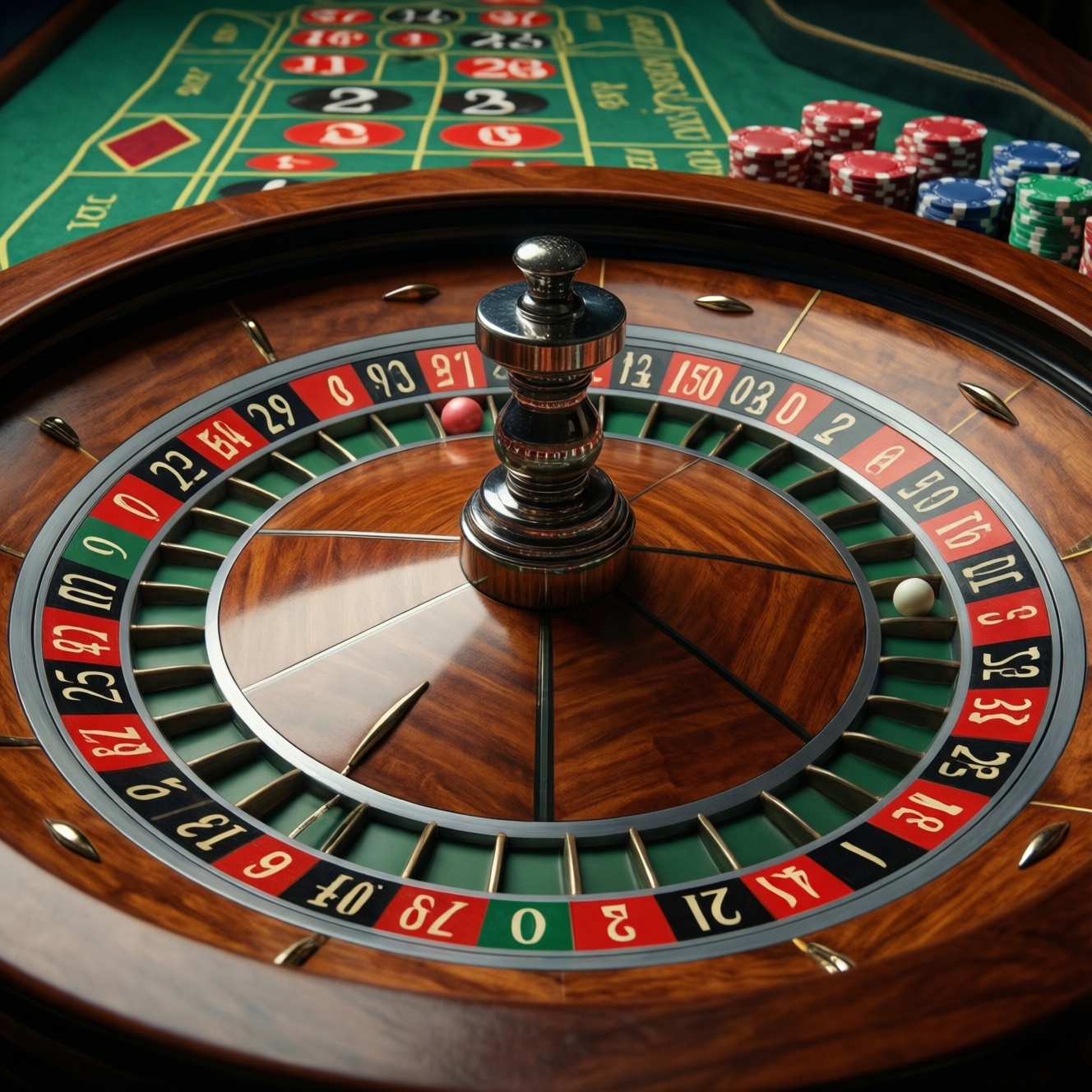
Roulette outside bets (Red/Black and Even/Odd) are the simplest even-money wagers: you win if the ball lands on your chosen color or parity, and you lose on the opposite result; zero (0, and 00 on American wheels) typically makes these bets lose. They offer lower variance than most bets, but the same built-in house edge.
Concise Overview: Outside Bets in One Page
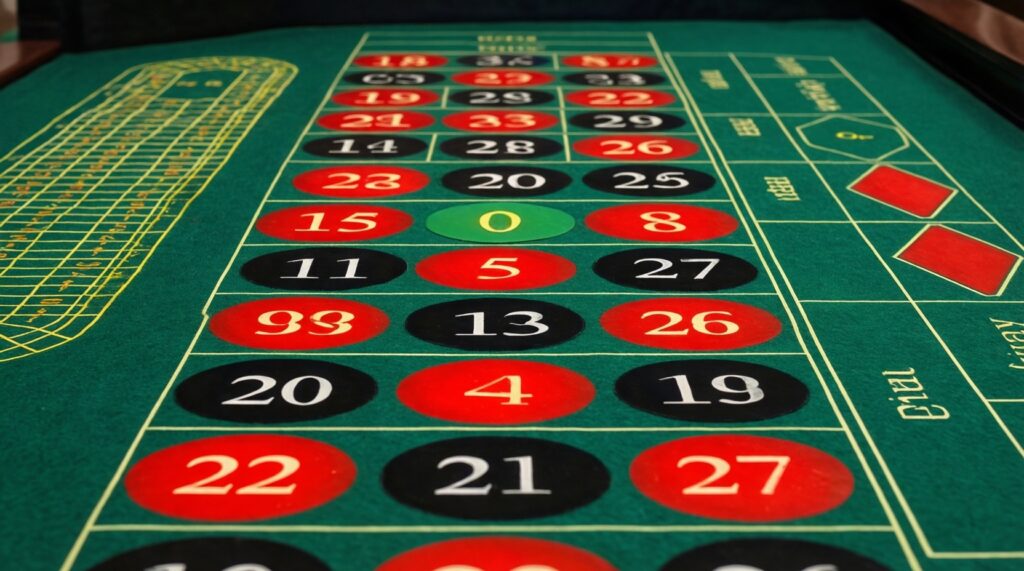
- roulette outside bets (Red/Black, Even/Odd, High/Low) pay even money and cover close to half the wheel.
- red or black roulette odds are not 50/50 because 0 (and 00) breaks the symmetry.
- even or odd roulette payout is usually 1:1; the trade-off is frequent small wins with occasional streak losses.
- Your long-run disadvantage is driven by the roulette house edge outside bets, not by your betting pattern.
- European (single-zero) wheels are materially better than American (double-zero) wheels for the same outside bet.
- The best outside bets roulette strategy is practical: choose the right wheel, control bet sizing, and avoid negative-progression traps.
How Red/Black and Even/Odd Bets Work: Rules and Betting Options
Outside bets are the large, printed areas on the roulette layout that cover many numbers at once. For the two most common outside bets-Red/Black and Even/Odd-you are betting on a property of the winning number rather than the exact number.
Mechanically, these are even-money wagers: a win returns your stake plus an equal profit (1:1). The key boundary condition is the green zero pocket(s). In most casino rules, 0 (and 00 on American wheels) is neither red nor black, neither even nor odd, so it makes Red/Black and Even/Odd lose.
This is why intermediate players should treat these bets as "low-volatility, not low-edge." They reduce swing size compared with single-number bets, but they do not remove the casino's built-in advantage.
Probabilities, Payouts, and Expected Value Breakdown
- Payout (standard): Red/Black and Even/Odd pay 1:1 (even money). A winning 100 THB bet returns 200 THB total (100 stake + 100 profit).
- Win probability depends on wheel type: European wheels have 37 pockets (0-36); American wheels have 38 pockets (0-36 plus 00).
- Why it's not 50/50: there are 18 red and 18 black numbers, but 0 (and 00) is neither; same structure for even/odd (18/18 plus zero pocket(s)).
- Expected value (EV): with 1:1 payouts, EV is negative because the losing outcomes include zero pocket(s). The loss rate per unit bet equals the house edge for that wheel.
- Practical implication: changing between Red/Black and Even/Odd does not change your EV on the same wheel; wheel selection and limits matter more than "which side."
| Bet type | Wheel | Win probability | Lose probability | Payout | EV per 1 unit bet | House edge |
|---|---|---|---|---|---|---|
| Red/Black (or Even/Odd) | Single-zero (European, 37 pockets) | 18/37 | 19/37 | 1:1 | -1/37 | 1/37 |
| Red/Black (or Even/Odd) | Double-zero (American, 38 pockets) | 18/38 | 20/38 | 1:1 | -2/38 | 2/38 |
Variance, Standard Deviation, and Short-Term Swing Dynamics
- Session smoothing: If you want more "hands per bankroll unit," outside bets typically create smaller drawdowns than inside bets, so you can tolerate more spins before hitting table limits or stop-losses.
- Streak exposure: Even with near-50/50 outcomes, long runs of the opposite color/parity happen. Most outside-bet bust-outs come from chasing during streaks, not from a single spin.
- Progression stress test: Any negative progression (doubling after losses) accelerates risk because a modest losing streak quickly hits table maximums and/or your bankroll ceiling.
- Mixed goals play: If you combine outside bets with occasional inside bets, the inside bets dominate variance; the outside bets mainly act as "pace setters" for bankroll erosion.
- Psychological variance: Frequent small wins can mask the long-run negative EV and encourage over-betting-especially after a few early wins.
Impact of Wheel Type: Comparing Single-Zero and Double-Zero Wheels
- Single-zero wheels: better for outside bets because there is only one zero pocket that causes an automatic loss under typical rules.
- Double-zero wheels: worse for outside bets because both 0 and 00 are losing outcomes on Red/Black and Even/Odd.
- Actionable takeaway in TH context: if you can choose between tables (land-based or online serving Thailand), default to single-zero for outside-bet sessions.
- Rule variants to watch: some tables use special zero-handling (e.g., partial refunds on 0 for even-money bets). Treat these as separate products: they change EV and the "feel" of variance.
- Layout vs wheel mismatch: always confirm whether the wheel is single-zero or double-zero; the felt can be misleading in hybrid/automated setups.
- Speed matters: faster games increase the number of decisions per hour, which increases the rate at which the house edge is realized in practice.
Practical Bankroll and Bet-Sizing Guidelines for Outside Bets
- Use flat or near-flat staking as your default: set a base unit (e.g., 1 unit) and keep most spins at 1 unit to avoid letting variance dictate bet size.
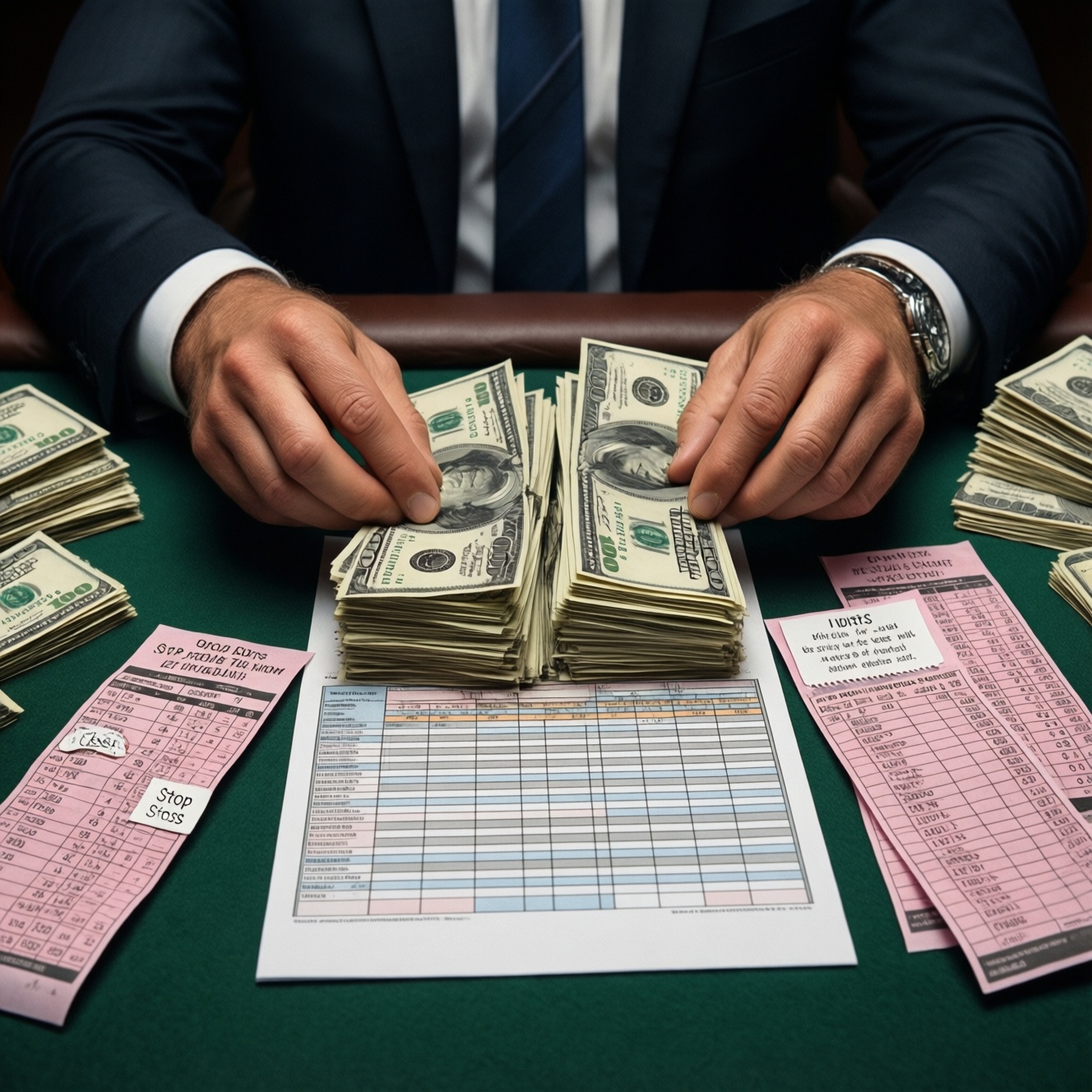
- Pre-commit to limits: define a stop-loss and a take-profit before you start; outside bets can still produce long losing stretches that tempt "one more double."
- Avoid Martingale-style doubling: it converts a modest edge against you into rare but severe losses, and it collides with table maximums.
- Respect table maximums as a strategy constraint: any plan that requires unlimited doubling is not a plan at a real roulette table.
- Don't confuse hit-rate with profitability: a high frequency of wins on Red/Black or Even/Odd does not change the negative EV embedded in the wheel.
Tactical Approaches, Common Pitfalls, and Evidence-Based Tips
If your goal is practical, repeatable play, treat outside bets as a bankroll-management exercise rather than a prediction exercise. Your edge is never positive; your only controllables are game conditions (wheel type/rules), exposure (bet sizing), and session discipline.
Mini-case: disciplined outside-bet session loop
- Choose a single-zero table when possible; confirm how 0 is handled for even-money bets.
- Set base unit = 1 and a hard cap of 2 units for any single spin (no exceptions).
- Play Red/Black or Even/Odd with flat stakes for a fixed number of spins (or fixed time).
- If you hit stop-loss or take-profit, end the session; do not "lock in" by increasing bets.
Common pitfalls that look smart but cost money
- Pattern-chasing: switching sides because "red is due" or "odd is hot" does not change the next-spin probabilities.
- Overfitting to short runs: interpreting 20-50 spins as evidence of bias is usually noise, not a readable signal.
- Progression escalation: adding a progression on top of a negative EV game increases risk without improving expectation.
Action checklist for intermediate players
- Confirm wheel type (single-zero vs double-zero) before placing the first bet.
- Keep outside bets flat-staked (or narrowly capped) to survive streaks.
- Write down stop-loss and take-profit and treat them as non-negotiable.
- Prefer sessions with fewer decisions per hour if you're prone to chasing.
Player Questions and Technical Clarifications
Are roulette outside bets actually 50/50?
No. The green 0 (and 00 on American wheels) is neither red nor black and neither even nor odd, which shifts the odds against you.
What are the red or black roulette odds on a European wheel?
You win on 18 outcomes and lose on 19 outcomes because 0 is a losing result for the bet under typical rules.
Is the even or odd roulette payout always 1:1?
Usually yes for standard roulette. Check table rules because special zero-handling variants can change the effective payout/return.
Does switching between Red/Black and Even/Odd improve results?
No. On the same wheel with the same rules, both have the same expectation; switching mainly changes your experience, not the math.
What is the roulette house edge outside bets depend on most?
Mainly on wheel type (single-zero vs double-zero) and any special rules for how zero is treated on even-money bets.
What is the best outside bets roulette strategy for real sessions?
Pick the best wheel available (prefer single-zero), keep stakes flat or tightly capped, and avoid negative progressions that rely on unlimited bankroll or no table maximum.